Hotel development on the Kenyan coast: space planning basics
Reader understands hotel functional zones beyond guest rooms.
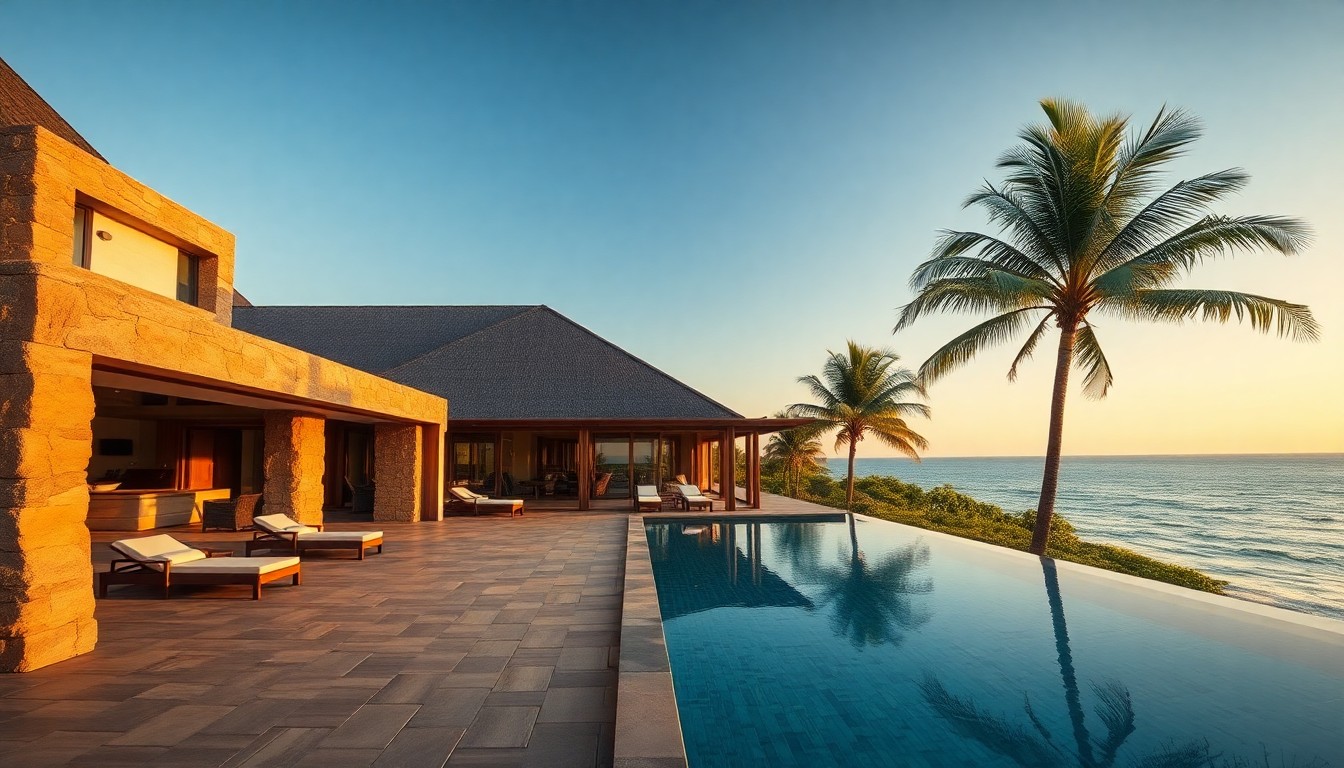
Hotels are systems of guest, back-of-house, and leisure zones
Coastal hotel and resort projects in Kenya combine guest rooms, F&B, laundry, kitchens, staff areas, and increasingly pools and fitness — each with different MEP and fire demands.
Neufert hotel examples show how reception, BOH routes, and guest floors interconnect. Marketing often shows only the lobby; developers pay for missing linen routes later.
Neufert hotel examples show how reception, back-of-house routes, and guest floors interconnect. Marketing often shows only the lobby and pool; developers pay for missing linen routes, undersized laundry, and waste holding later. A 100-room coastal hotel needs roughly 1.0–1.2 m² of kitchen and stores per restaurant seat, and corridor space of about 6 m² per room at 1.5–1.8 m width — all from Neufert’s area planning tables adapted to Kenyan operator standards.
A coastal hotel brief that omits laundry capacity, staff changing rooms, and delivery access routes is incomplete. These back-of-house spaces consume 20–25% of total built area in a full-service hotel but rarely appear in marketing visuals. Neufert’s area-per-room tables give developers an initial check: a 100-room hotel typically needs 44–52 m² gross per room excluding parking.
Guest rooms and vertical circulation
Room modules repeat — coordinate slab edge, balcony depth, and services risers once. Coastal humidity requires bathroom and façade strategies from residential guides, scaled to hospitality turnover.
Coastal humidity demands bathroom extract and façade strategies beyond inland practice. Specify vapour barriers behind finishes, mechanical extract to all bathrooms, and corrosion-resistant balcony railings. The residential bathroom and kitchen guides from this series detail specific products and details applicable to hospitality at scale.
Room modules repeat — coordinate slab edge, balcony depth, and services risers once and the whole tower benefits. Coastal humidity requires bathroom extract and façade strategies from the residential guides in this series, scaled to hospitality turnover: vapour barriers behind finishes, mechanical extract to all bathrooms regardless of window, and corrosion-resistant balcony railings and door hardware.
Corridor widths below 1.5 m create luggage bottlenecks at check-in and check-out peaks. Housekeeping trolleys need passing space at intervals — plan service alcoves every 8–10 rooms rather than widening the entire corridor.
Food, beverage, and kitchen
Restaurants within hotels need separate capacity, kitchen type, and extraction paths — link to restaurant kitchen guide. Loading docks and cold rooms need ground-floor logic.
On Mombasa coastal sites, kitchen extraction must overcome prevailing monsoon winds — locate exhaust discharge downwind of guest rooms and F&B terraces. Grease traps and cold rooms need ground-floor access with service vehicle turnaround, not basement-only solutions.
Restaurants within hotels need separate capacity, kitchen type, and extraction paths — link to the restaurant kitchen guide in this series. Loading docks and cold rooms demand ground-floor logic with service vehicle turnaround; basement-only solutions flood during coastal heavy rains. Grease traps, gas bottle storage, and waste holding areas all need accessible locations that kitchen consultants and architects coordinate before the floor plate locks.
Leisure and plant
Pools, gyms, and generators compete for roof and podium space. Brief them in predesign, not at construction issue.
Pools, gyms, and generators compete for roof and podium space. A 150-room hotel generator with fuel storage and acoustic enclosure can consume 60–80 m² of prime real estate. Water storage for domestic use plus fire reserve adds another 30–50 m² footprint. Brief these in predesign, not at construction issue when the architect has already assigned that roof area to a sky bar.
On the Kenyan coast, salt-laden air accelerates condenser coil corrosion — specify marine-grade equipment with accessible replacement paths. Pool plant rooms need dehumidification independent of guest-room systems.
What to do in the next two weeks
Document decisions on the REDM project file and align the team before the next fee milestone.
Briefing checklist for Kenyan developers
1. Zone back-of-house (BOH) routes — linen, waste, staff, deliveries — never crossing guest circulation
2. Brief kitchen type, peak covers, and F&B service style before the architect locks the ground floor
3. Appoint architect, interior designer, MEP engineer, and kitchen consultant at concept stage
4. Check EIA triggers — coastal hotels almost always require NEMA approval; start the scoping report in pre-design
5. Size laundry, cold rooms, and waste holding for peak occupancy, not average; confirm service vehicle turnaround
6. Specify marine-grade MEP equipment for salt-laden coastal air; allow replacement access for condenser coils
7. Brief leisure plant (pool, gym, generator) on roof or podium in pre-design — not at construction issue
8. Confirm who signs, certifies, and records before the next fee milestone; hold one coordination meeting with minutes
Deeper notes for board and lender packs
Walk the BOH route from loading dock through kitchen to guest floor on plan — confirm it never crosses guest circulation. Missing linen routes and undersized waste holding are the two most expensive retrofit items in coastal hotels.
Brief leisure plant (pools, gym HVAC, generators) on roof or podium in predesign, not at construction issue. On the Kenyan coast, salt-laden air accelerates condenser coil corrosion — specify marine-grade equipment and allow for replacement access.
Pair this guide with the restaurant kitchen article for F&B zoning, the green building guide for coastal sustainability, and the design-stage and statutory approvals articles. Hotel EIA triggers are common on the coast — check early.
Before the next fee milestone, confirm who signs, who certifies, and who records — then hold one coordination meeting with minutes.
Next step
Turn this insight into a project decision
Use the free check or calculator while the question is still fresh. If the numbers make sense, continue into report delivery, capture and project setup.
Run a free project checkFrequently asked questions
How is a hotel different from apartments?
Operational flows — BOH, F&B, housekeeping, and fire strategy differ materially.
Does EIA apply to coastal hotels?
Often yes — see EIA developer guide; scale triggers vary.
When appoint interior design?
At design development for public areas and room prototypes.
What kills hotel programmes?
Missing BOH adjacency and undersized MEP plant.
Where does Neufert help?
Functional zoning examples — adapt to Kenya climate and operators.