How REDM turns a plot check into a project file
A plot check usually ends with a PDF that nobody acts on. REDM links the check to an active project record — zoning, setbacks, cost estimate, climate brief, and lead file — so the site data becomes the foundation of everything that follows, not a report that goes into a drawer.
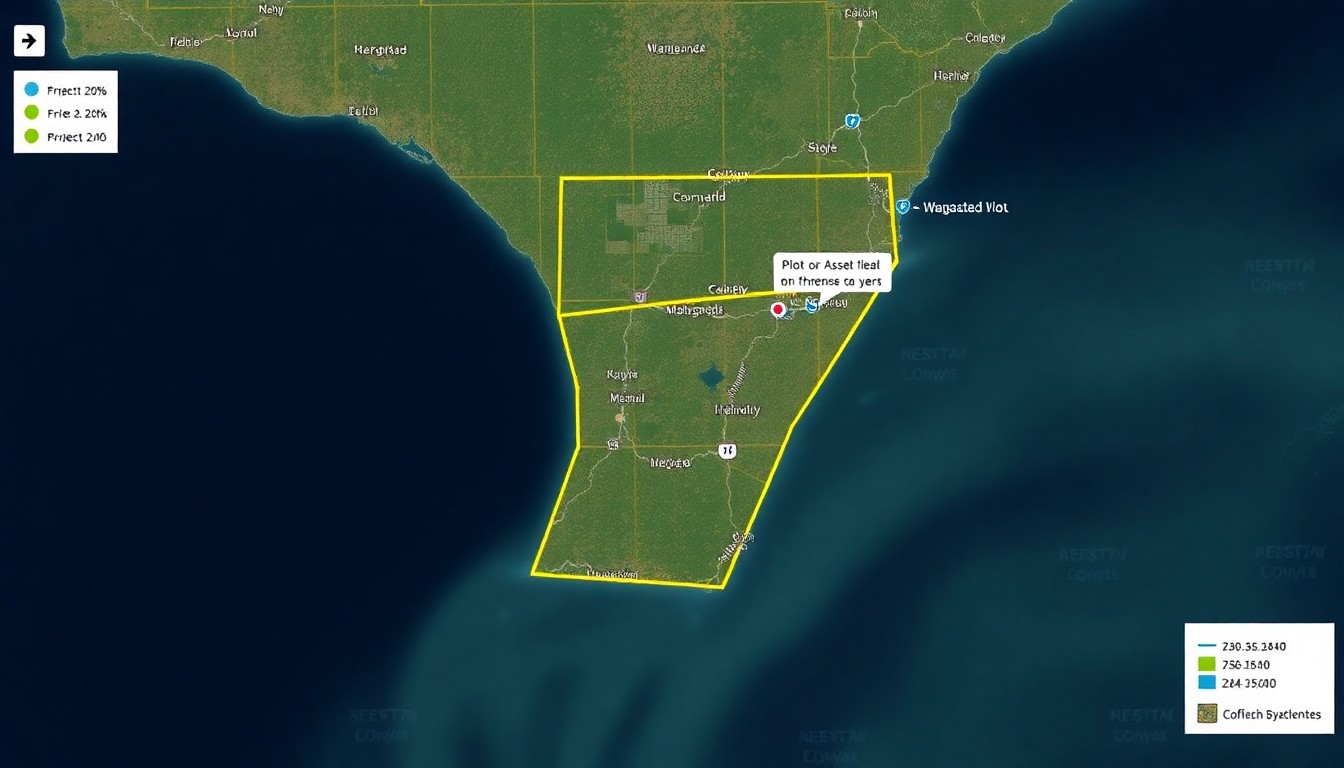
The problem with a plot check that ends as a PDF
Every developer and client who is evaluating a piece of land does a plot check. They check the zoning, confirm the plot ratio and setbacks, get a rough idea of what can be built, and sometimes get a cost estimate. Usually, this produces a PDF or a spreadsheet that sits in a downloads folder.
When the project moves forward, someone has to recreate all of that information — sometimes weeks or months later, with the same questions appearing again at the design brief stage, the engineer's meeting, the contractor tender, and the bank's due diligence. Each time, someone is rebuilding context that was already established once.
This is not a minor inefficiency. In a typical Kenyan residential development, the same site data is compiled, printed, emailed, and re-explained at least four or five times across the project lifecycle. Each handoff is a moment where information gets lost, misread, or contradicted.
What a project file actually is
A project file is a persistent, structured record that follows a project from site evaluation to practical completion. It connects the physical facts of the land — coordinates, zone, plot area, topography, access — with the client's requirements, the design team's outputs, the contractor's records, and the statutory approvals.
In traditional practice, this file exists across filing cabinets, email inboxes, Dropbox folders, and the memory of the lead consultant. When someone new joins the team, or when the client wants a status update, or when a dispute arises about what was agreed, the information has to be assembled from fragments.
REDM creates this file at the point of the first site query. Before any professional fees are paid and before any drawings are produced, the system creates a structured record that is available to the client and the consultant team throughout the project.
What REDM captures at the plot check stage
When a plot check is run through the REDM system, the output is not just a printable report. It is a structured data record containing the parcel reference, coordinates, zone classification, permitted uses, minimum plot ratio, maximum plot coverage, required setbacks, maximum building height, parking requirements, and any special zone overlays (coastal setback, heritage area, flood zone, noise corridor).
Alongside the zoning data, REDM runs a preliminary cost estimate: based on the intended use, target floor area, and current construction cost benchmarks, it produces a gross development cost range, a likely professional fees estimate, an indication of statutory charges (county, NEMA, NCA), and an initial return model if the project is for rental or sale.
The climate brief is generated from the same query: prevailing wind direction, solar orientation, rainfall frequency, temperature range, and design recommendations. For a coastal site in Mombasa, this includes specific guidance on passive cooling, shading, roof design, and material choice — information that the architect needs before fixing massing.
All of this is connected to the same site record. The parcel is the anchor. Every query, report, and later document is linked back to it. For Muslim developers structuring partnerships without interest-based finance, see our guide on Islamic finance modes for property development.
How the plot check becomes a lead record
When a client runs a project check, the system asks a small number of qualifying questions: location, intended use, approximate plot size, budget range, and contact details. These answers, combined with the site data, create a project intake record in the REDM CRM.
The intake record is not a passive contact form. It is a structured brief: it tells the consultant what the client has, what they intend to do with it, and what the preliminary analysis shows. The first conversation between consultant and client is therefore not exploratory — it is confirmatory. Both parties start with the same information.
From this point, if the client decides to proceed, the project record transitions from intake to active. The site data that was captured at the check stage — zone, setbacks, area, cost estimate, climate brief — becomes the first version of the project brief. No re-entry, no re-explanation. The design team picks up where the check left off.
Why this matters for clients who are comparing consultants
A client evaluating land has usually spoken to several architects and developers before they settle on one. In the traditional model, each conversation starts from zero: the client re-explains the site, re-explains their brief, and gets back different cost estimates that are not comparable because they are based on different assumptions.
When a client starts with a REDM project check, the assumptions are explicit and shared. The zoning is confirmed from county data. The cost estimate is based on documented benchmarks, not intuition. The climate brief reflects the actual site coordinates. When the client brings this record into a conversation with Architect Darani, both sides are discussing the same facts, not different impressions.
This matters most for clients who are making a significant financial commitment. A plot in Mombasa at KES 10-30 million, with a proposed development of KES 30-100 million, is not a decision that should rest on a verbal estimate and a handshake. The project check gives the client a documented starting point that they own — regardless of which consultant they eventually appoint.
What happens after the check — the REDM project lifecycle
REDM is designed to support the full development lifecycle: land identification, feasibility, design brief, design, approvals, construction, handover, and asset management. The plot check is the entry point for new projects, but the system continues to serve the project at every stage.
At the design brief stage, the architect uses the captured site data as a starting point rather than re-surveying. At the approval stage, the statutory checklist is pre-populated with the known zone requirements. At the construction stage, the cost benchmarks inform the QS's preliminary estimates. At the asset management stage, the as-built records are stored against the same project file.
For clients with multiple plots or a portfolio of developments, this structure makes comparison straightforward. Each project has a consistent file format, and the portfolio view shows total development exposure, stage distribution, and outstanding actions across all projects.
The project check is free. It is the fastest way to start building a project file that will be useful throughout the development.
Next step
Turn this insight into a project decision
Use the free check or calculator while the question is still fresh. If the numbers make sense, continue into report delivery, capture and project setup.
Run a project checkFrequently asked questions
Is the REDM project check just another cost estimator?
No. The project check produces a cost estimate, but it also captures zoning data, setback requirements, climate analysis, and creates a structured project record. The point is to link all of the site information into one file that persists through the project, not to produce a standalone number.
Do I need to pay before running a project check?
The project check is free. You enter the plot location and intended use, and the system generates a zoning summary, preliminary cost range, and climate brief. If you want to proceed to a formal feasibility report or design brief, those are paid services.
How accurate is the cost estimate from the project check?
The preliminary cost estimate is based on documented benchmarks for the Kenyan coastal market. It is an order-of-magnitude estimate — enough to judge whether the project is viable and worth investing in a more detailed feasibility study. It is not a contract sum. The QS prepares a formal cost plan as part of the feasibility service.
Can I run a project check for a plot I have not bought yet?
Yes. Many clients run a project check as part of their due diligence before committing to a purchase. The check confirms whether the intended use is allowed, what can be built within the regulations, and whether the numbers make sense. This is often one of the first things we recommend before a land transaction is concluded.