Climate Design on the Kenyan Coast: Wind, Sun, Rain and Passive Cooling
How coastal climate data can inform orientation, shading, ventilation, envelope and material choices before design begins.
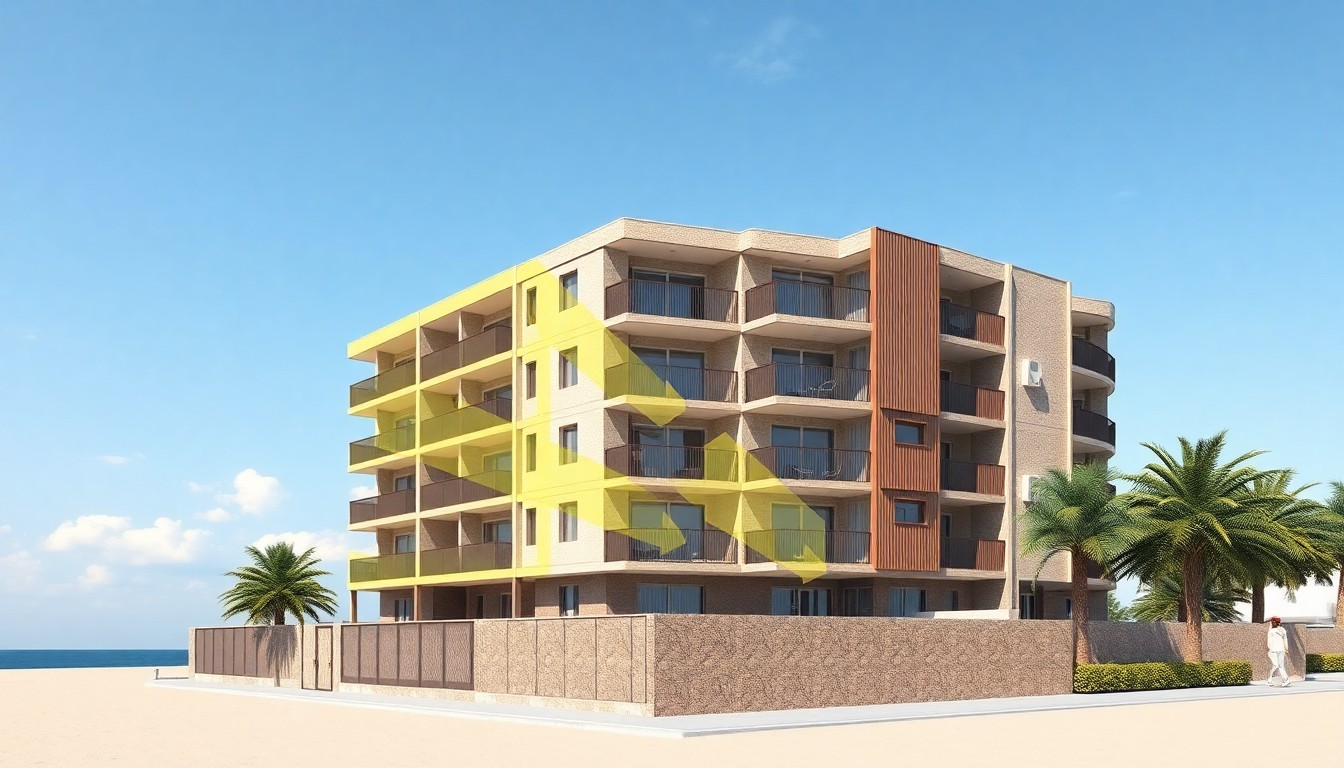
Climate is a design input
Wind, sun, rainfall, humidity and temperature should inform design from the beginning. They affect orientation, openings, shading, roof design, material choice and MEP strategy.
On the coast, passive cooling is not a style choice. It can reduce discomfort and operating cost.
Data helps the conversation
A climate brief gives the design team a shared basis: prevailing winds, solar exposure, rainfall patterns and design recommendations.
This is especially useful before fixing massing, window positions and façade strategy.
Connect climate to feasibility
Climate decisions can affect cost, unit layout, façade cost and market value. A poorly ventilated apartment may cost less on paper but perform worse in use.
That is why the climate check belongs inside the project check, not only as a separate report.
Next step
Turn this insight into a project decision
Run the calculator while the question is still fresh — then continue into a full project check if the numbers work.
Run a climate checkFrequently asked questions
What is passive cooling?
Passive cooling uses orientation, shading, ventilation, materials and layout to reduce heat without relying only on mechanical systems.
Why should climate be checked before design?
Climate affects massing, windows, shading, roof design, materials and MEP strategy, so it should shape the brief early.