Accessible toilet design and turning circles in Kenya
WC clearances, grab rails, and accessible routes for residential and commercial.
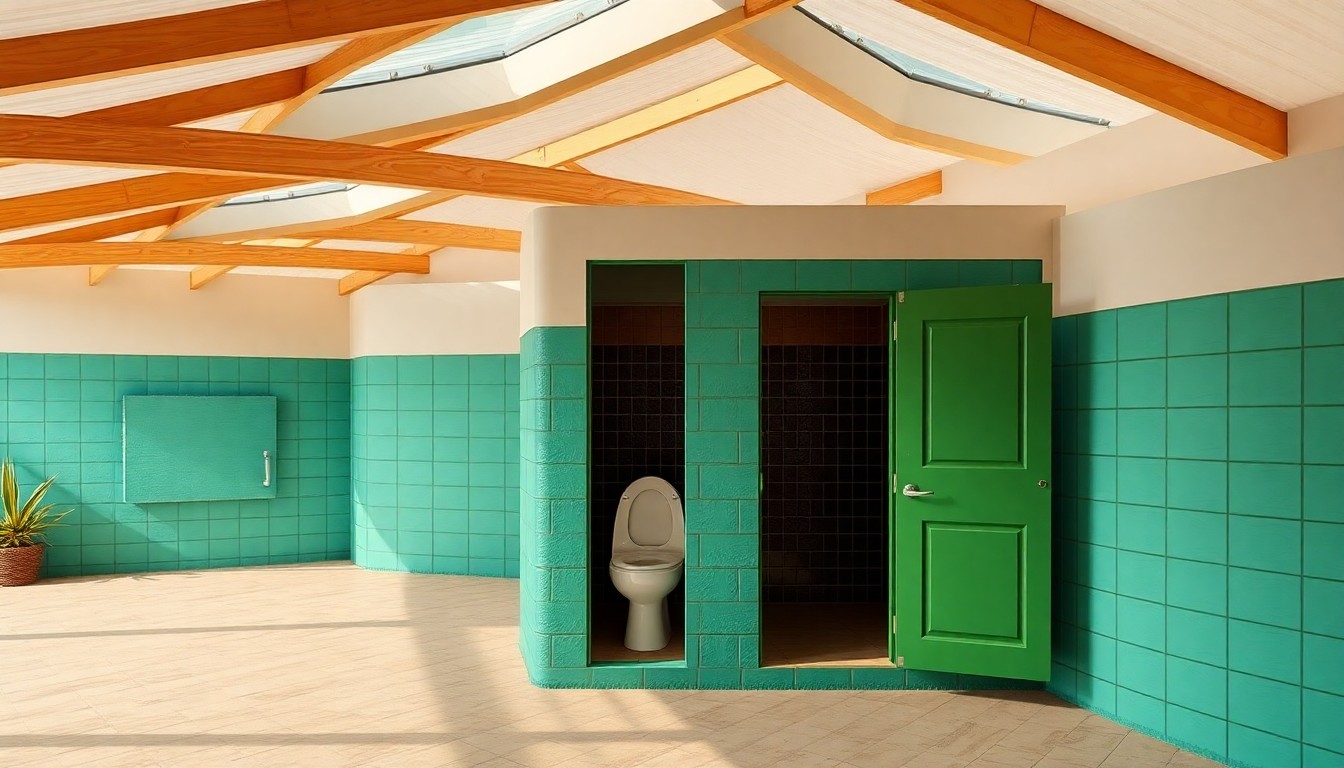
Accessible toilets are routes, not a single room
An accessible WC fails if the corridor, lift, and door approach are tight. Plan the full path from parking or drop-off to the pan.
Guest WCs in lobbies are common failure points — developers copy standard layouts without turning circles.
Turning circles and clear widths
Wheelchair users need space to approach, transfer, and turn. Door swings must not encroach into the manoeuvring zone when closed or open.
Grab rails, pan heights, and contrast cues support usability — specify them in architectural and interior packages.
Neufert notes ambulant disabled users often need about 80 cm clear door width; wheelchair users typically need about 90 cm doors and corridors not less than about 120 cm so users can manoeuvre — confirm against current Kenya accessibility guidance and county checklists.
Residential vs commercial requirements
Mixed-use and commercial frontages often have stricter accessibility triggers. Confirm county and national guidance with your architect early.
Inspection and handover
Photograph accessible routes before finishes hide structure. Snag door widths and ramp gradients when still adjustable.
Next steps on your project
Show accessible WC locations on planning drawings early — retrofits in finished lobbies fail inspection and UX tests.
Pair with corridor and lift articles so routes are continuous, not compliant only on paper.
Interior scope and fees are covered in the interior design guide; design stage sequencing is in the design-stage guide.
Use plot check and project check on REDM to capture room programme before detailed drawings.
Neufert Architects' Data (searchable PDF) is indexed under design-reference/interiors/ — adapt European dimensions to Kenya by-laws and market; architect-signed room sheets override generic tables.
On Kenyan coastal projects, document every decision that affects cost, approvals, or programme in the REDM project file so consultants, lenders, and your own board see the same timeline. Informal agreements scattered across email are where disputes start.
Before the next fee milestone, confirm who signs, who certifies, and who records — then hold one coordination meeting with minutes. Developers who skip that step usually pay twice: once for rework and once for dispute advice.
Pair this guide with the design-stage and statutory approvals articles so by-law, environmental, and tender assumptions stay consistent from predesign through handover.
On Kenyan coastal projects, document every decision that affects cost, approvals, or programme in the REDM project file so consultants, lenders, and your own board see the same timeline. Informal agreements scattered across email are where disputes start.
Before the next fee milestone, confirm who signs, who certifies, and who records — then hold one coordination meeting with minutes. Developers who skip that step usually pay twice: once for rework and once for dispute advice.
Pair this guide with the design-stage and statutory approvals articles so by-law, environmental, and tender assumptions stay consistent from predesign through handover.
On Kenyan coastal projects, document every decision that affects cost, approvals, or programme in the REDM project file so consultants, lenders, and your own board see the same timeline. Informal agreements scattered across email are where disputes start.
Before the next fee milestone, confirm who signs, who certifies, and who records — then hold one coordination meeting with minutes. Developers who skip that step usually pay twice: once for rework and once for dispute advice.
Pair this guide with the design-stage and statutory approvals articles so by-law, environmental, and tender assumptions stay consistent from predesign through handover.
On Kenyan coastal projects, document every decision that affects cost, approvals, or programme in the REDM project file so consultants, lenders, and your own board see the same timeline. Informal agreements scattered across email are where disputes start.
Before the next fee milestone, confirm who signs, who certifies, and who records — then hold one coordination meeting with minutes. Developers who skip that step usually pay twice: once for rework and once for dispute advice.
Pair this guide with the design-stage and statutory approvals articles so by-law, environmental, and tender assumptions stay consistent from predesign through handover.
On Kenyan coastal projects, document every decision that affects cost, approvals, or programme in the REDM project file so consultants, lenders, and your own board see the same timeline. Informal agreements scattered across email are where disputes start.
Before the next fee milestone, confirm who signs, who certifies, and who records — then hold one coordination meeting with minutes. Developers who skip that step usually pay twice: once for rework and once for dispute advice.
Next step
Turn this insight into a project decision
Use the free check or calculator while the question is still fresh. If the numbers make sense, continue into report delivery, capture and project setup.
Run a free project checkFrequently asked questions
Is one grab rail enough?
No. Accessible WCs need coordinated rails, clearances, and accessories per the agreed standard.
Do all apartments need accessible WCs?
Depends on building type and regulations. Common areas often have stronger requirements than every unit.
Who signs accessibility compliance?
Architect leads planning compliance; specialist input where required.
Can accessible WCs be retrofitted?
Sometimes, at high cost. Plan at scheme stage.
How does this link to corridors?
Corridor widths and lift sizes must support the same users — read the circulation guide.