Structural engineering in Kenya: what it covers, what it costs, and when you must have it
Structural failure is the most catastrophic — and most preventable — category of building defect. In Kenya, structural engineering is legally required for any building above ground-plus-one storey, yet many clients treat it as an optional supplement. This guide explains what a structural engineer does, what their fee covers, and what you risk without them.
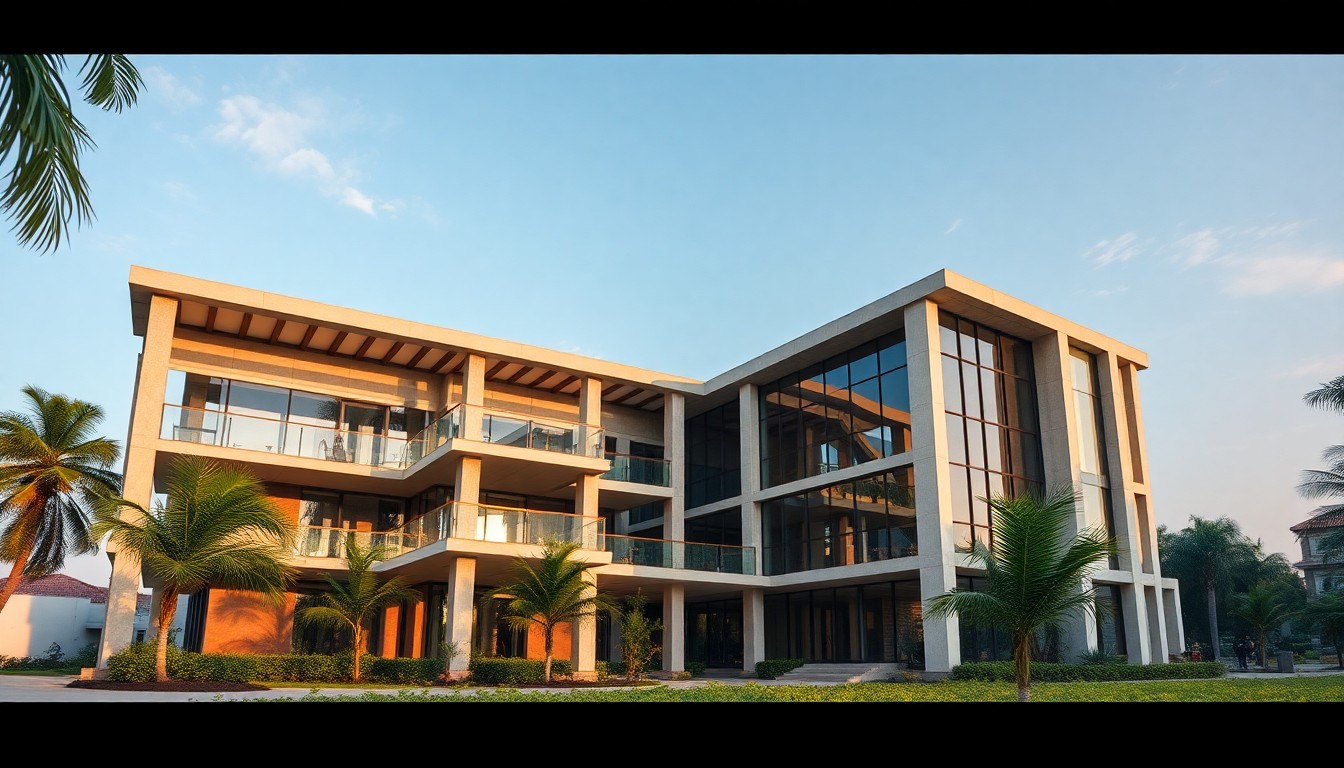
What structural engineering actually is — and why it cannot be skipped
A building's structure is everything that holds it up: foundations, columns, beams, slabs, load-bearing walls, and retaining walls. Get the structure wrong and the building cracks, settles unevenly, deforms under load, or collapses. The consequences of structural failure range from expensive remediation to catastrophic loss of life.
In Kenya, building collapses have killed people and destroyed developments that represented years of investment. The investigation of most failures finds the same root causes: inadequate foundation design for the actual ground conditions, under-designed reinforced concrete elements, failure to account for the actual loads on the structure, or construction that deviated from the design with nobody checking. All of these are preventable with a properly executed structural engineering appointment.
The Engineers Board of Kenya (EBK) registers structural engineers and sets minimum standards for structural design. Building plan approval in Kenya requires structural drawings certified by an EBK-registered engineer. A building constructed without certified structural drawings has no legal approval — and if it fails, no insurance.
What a structural engineer does across the project
The structural engineer's role spans the design and construction stages. At the design stage, they assess the site's ground conditions (using soil investigation data where available or recommending investigation where it is needed), design the foundation system appropriate for the loads and the ground, design the structural frame (columns, beams, slabs, and staircase structures), prepare reinforcement schedules, and produce structural calculation reports that demonstrate compliance with the applicable standards.
The structural deliverables include: a structural concept report (typically produced at scheme design stage, alongside the architectural plans), foundation design drawings, structural framing drawings, reinforcement bar schedules, and a structural calculation report for submission with the building plan application.
During construction, the structural engineer provides inspection services: visiting site at critical stages (foundation casting, column casting, slab casting) to confirm that the work in progress matches the approved design. This is not permanent presence on site — it is targeted inspection at the moments where structural errors are most likely to be made and most consequential if missed.
At the end of construction, the structural engineer signs a structural completion certificate confirming that the building as built conforms to the approved structural design. This certificate is required for the NCA project completion records and is increasingly required by banks for mortgage drawdown on completed buildings.
Foundation types and why the choice matters in Mombasa
Foundation design is the most site-specific part of structural engineering. Different soil conditions require different foundation solutions, and the Mombasa coastal area has a particularly varied geology.
The coastal strip has areas of coral rock at shallow depth, which can provide excellent bearing capacity but requires rock-cutting for foundation excavation. Areas of sandy soil — common near the beach — have lower bearing capacity and can be subject to liquefaction. Filled areas and former wetlands near the harbour and industrial areas may have variable bearing capacity and require piled foundations.
A simple pad or strip foundation that works perfectly on a clay site in Nairobi may fail on a sandy coastal site. A structural engineer who knows Mombasa's ground conditions — and who specifies the right investigation before designing the foundation — is providing real value, not just a rubber stamp on the architect's drawings.
Soil investigation (a borehole log and lab testing) typically costs KES 80,000–200,000 depending on the number of boreholes and the depth required. It informs the foundation design and prevents a much more expensive problem: discovering that the foundation is inadequate after the structure is above ground.
When a structural engineer is legally required in Kenya
EBK registration is required for the certifying engineer on any building above ground-plus-one storey. The building plan approval process at the county level requires structural drawings signed and stamped by a registered professional engineer. A submission without this certification is rejected.
In practice, the threshold is lower than one storey for any building of complexity: any structure with significant span requirements, unusual loads, retaining elements, or a basement requires specialist structural design regardless of height.
For a single-storey building on a simple footprint on well-understood ground, a structural engineer is still advisable even if not strictly mandated. The cost of the engineer's fee is typically less than the cost of fixing a cracked slab or a settled foundation on a building that was built without proper structural design.
Banks increasingly require structural engineering certification as a condition of construction financing and mortgage drawdown. A building constructed without EBK certification may be difficult to mortgage or sell.
Structural engineering fees in Kenya
EBK's scale of professional fees for civil/structural engineering sets the full service rate at 4% of construction cost for projects up to KES 5 million, 3% for KES 5–25 million, and 2.5% for KES 25–100 million. The minimum fee is KES 60,000.
On a KES 30 million residential project, the structural engineering full service fee is approximately KES 750,000–900,000. This covers design, drawings, calculation report, and site inspections. Design-only (without site inspection) is approximately 2% of construction cost at this project size.
The full service appointment — design plus inspection — is strongly recommended. Structural inspection during construction is when the engineer adds the most practical value: they are the person who can tell the contractor that the wrong bar spacing has been used before the concrete is poured, not after.
Peer review (reviewing another engineer's design) is available at approximately 0.5–1% of construction cost. This is used by large institutional clients, banks, or government bodies who want an independent check of the structural design before committing to construction.
Next step
Turn this insight into a project decision
Use the free check or calculator while the question is still fresh. If the numbers make sense, continue into report delivery, capture and project setup.
Start a project briefFrequently asked questions
Can the architect prepare structural drawings in Kenya?
Architects are trained in structural principles but are not registered structural engineers. For any building requiring EBK-certified structural drawings (buildings above G+1 or of significant structural complexity), the structural drawings must be prepared and certified by an EBK-registered engineer. The architect coordinates the structural design with the overall architectural design, but they cannot certify structural drawings.
What is soil investigation and do I need it?
Soil investigation (geotechnical investigation) involves drilling boreholes and testing soil samples to determine the bearing capacity, settlement characteristics, and groundwater conditions at the site. It informs the foundation design. For any building above two storeys, or on a site with uncertain ground conditions (coastal areas, filled land, steep slopes), soil investigation is strongly recommended. The cost of investigation is modest compared to the cost of remedying an inadequate foundation.
What is the difference between a structural engineer and a civil engineer?
Structural engineers design load-bearing elements of buildings: foundations, frames, slabs, retaining walls. Civil engineers design infrastructure: roads, drainage, water supply systems, site earthworks. In Kenya, many professionals hold registration in both disciplines under EBK. For a building project, you need a structural engineer. If the project also involves significant site infrastructure, a civil engineer may be separately appointed.
How do I know if a structural engineer is EBK-registered in Kenya?
EBK maintains a public register of registered engineers at ebk.or.ke. Ask the engineer for their EBK registration number and verify it on the register. Drawings submitted for building plan approval must carry the engineer's EBK registration number and stamp — a submission without these is rejected.