Acoustics for apartment design on the Kenyan coast
Practical acoustic design criteria for Kenyan coastal apartments — partitions, services, and layout.
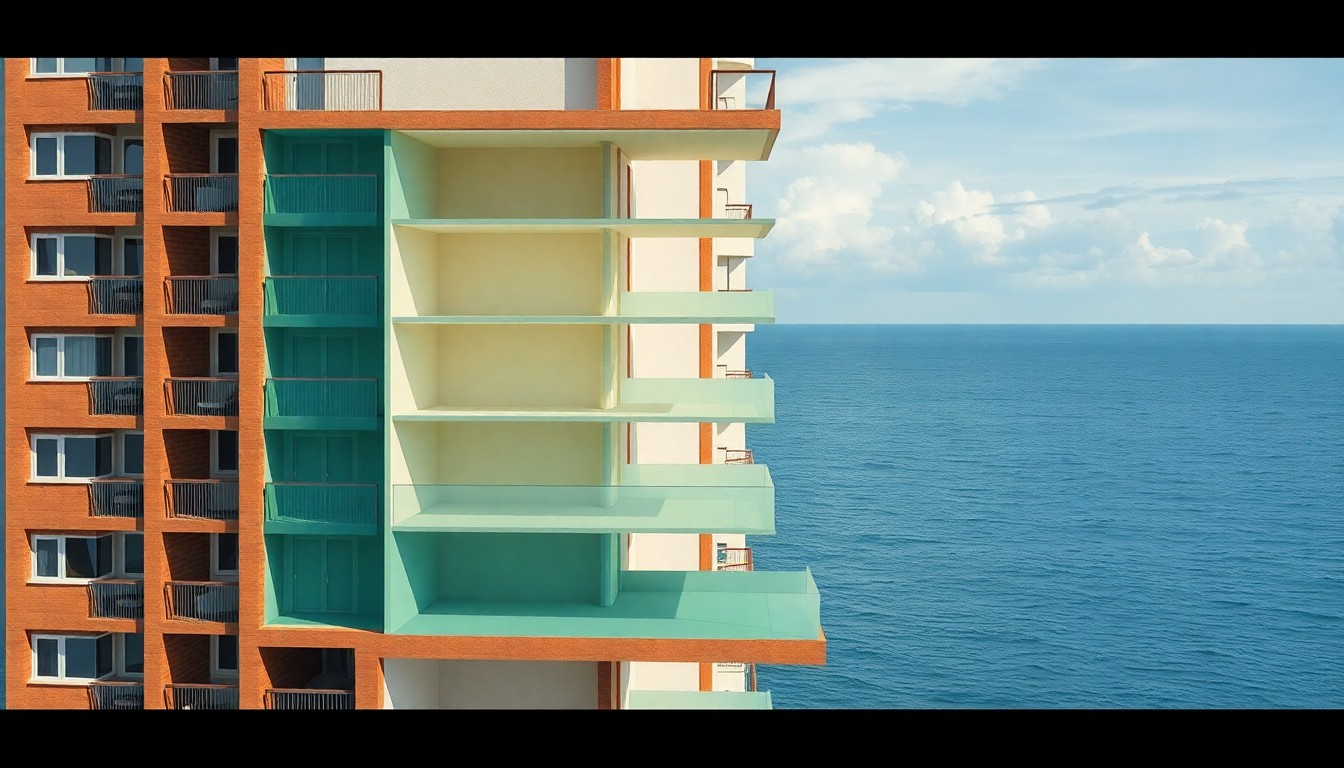
Coastal apartment noise realities
On the Kenyan coast, buyers experience noise immediately — neighbour televisions through lightweight partitions, generator and plant rooms, mosque and road calls to prayer, and wind on façades. Acoustics is not a luxury for hospitals alone; it is a sales and defects issue for mid-rise apartments in Mombasa, Kilifi, and Diani.
Developers who treat sound like an afterthought discover refunds and reputational damage within the first rainy season. Acoustic criteria belong in the design brief before partition types and slab build-ups are frozen.
Partitions and floor build-ups
Sound Transmission Class (STC) ratings describe how well a partition attenuates airborne sound — higher is better. Party walls between units should be designed as systems: structure, insulation, isolation, and sealing at sockets and ducts. A drawing note ‘blockwork wall’ is not an acoustic specification.
Floor impact noise (footfalls, furniture moves) travels through slabs. Floating floors, resilient layers, and correct detailing at skirtings reduce complaints between stacked apartments — critical for rental stock.
Penetrations are the weak point: pipe boxing, recessed services, and back-to-back electrical points need gaskets and staggered studs. MEP engineers and architects must coordinate risers so services do not punch through acoustic zones randomly.
Services and mechanical noise
Fans, chillers, pumps, and generators should not sit adjacent to bedrooms without acoustic enclosures and maintenance access. Locate plant on roof or ground with directed discharge away from façades and neighbour boundaries.
Duct paths through apartments need lining and breakout control where ducts pass between units. Vibration isolation on equipment mounts is cheaper at design than retrofit rubber pads after handover.
The MEP engineering guide covers coordination; this article focuses on why acoustic zoning must be on the same drawing set.
Layout choices that reduce complaints
Place bedrooms away from lift shafts, refuse chutes, and plant rooms. Buffer kitchens and living rooms between sensitive bedrooms where possible. Avoid stacking bathrooms with thin partitions directly under neighbour bedrooms.
Balconies and open façades import external noise — glazing and ventilation strategy must balance breeze with acoustic performance. Climate-oriented design on the coast often favours ventilation; acoustic baffles and secure screens can support both.
When to appoint an acoustic specialist
Appoint acoustic consultancy for hotels, mixed-use with commercial frontage, sites beside busy roads, or projects targeting international buyers with explicit acoustic specs. For standard residential blocks, a competent architect and MEP team can implement baseline criteria if briefed early.
Specialists produce measurable targets (STC, IIC, NC ratings) and review shop drawings. Their fee is smaller than one month of unsold inventory caused by ‘noisy unit’ reputation.
REDM, climate, and sales packs
Use the climate brief and parcel tools to understand orientation and external noise sources. Record acoustic assumptions in the REDM project file so marketing does not promise ‘tranquil living’ on a layout with plant against the façade.
Sales brochures should align with designed STC targets — not generic lifestyle copy.
What to do in the next two weeks
Document decisions on the REDM project file and align the team before the next fee milestone.
Deeper notes for board and lender packs
Brief STC/IIC targets in consultant appointments before partition schedules are issued to site.
Site-test one mock-up unit partition before rolling out typologies on repetitive floors.
Marketing should not promise quiet units if plant rooms sit against bedroom stacks.
On Kenyan coastal projects, document every decision that affects cost, approvals, or programme in the REDM project file so consultants, lenders, and your own board see the same timeline. Informal agreements scattered across email are where disputes start.
Before the next fee milestone, confirm who signs, who certifies, and who records — then hold one coordination meeting with minutes. Developers who skip that step usually pay twice: once for rework and once for dispute advice.
Pair this guide with the design-stage and statutory approvals articles so by-law, environmental, and tender assumptions stay consistent from predesign through handover.
On Kenyan coastal projects, document every decision that affects cost, approvals, or programme in the REDM project file so consultants, lenders, and your own board see the same timeline. Informal agreements scattered across email are where disputes start.
Before the next fee milestone, confirm who signs, who certifies, and who records — then hold one coordination meeting with minutes. Developers who skip that step usually pay twice: once for rework and once for dispute advice.
Pair this guide with the design-stage and statutory approvals articles so by-law, environmental, and tender assumptions stay consistent from predesign through handover.
On Kenyan coastal projects, document every decision that affects cost, approvals, or programme in the REDM project file so consultants, lenders, and your own board see the same timeline. Informal agreements scattered across email are where disputes start.
Next step
Turn this insight into a project decision
Use the free check or calculator while the question is still fresh. If the numbers make sense, continue into report delivery, capture and project setup.
Run a free project checkFrequently asked questions
What STC rating should party walls target?
Targets depend on market positioning and regulations. Brief your architect with a clear performance goal early; specialists can recommend values for your building type.
Can tiles and ceilings fix acoustic problems later?
Surface finishes rarely fix structural sound paths. Build-up and penetration detailing must be designed before plaster closes walls.
Who coordinates acoustics with MEP?
The architect leads coordination; MEP locates plant and ducts; acoustic consultant reviews if appointed.
Is acoustic design expensive?
Early detailing costs less than retrofit and refunds. Budget specialist review on sensitive sites.
Does REDM replace acoustic engineers?
No. REDM stores parcel and project context; specialists or your design team still produce acoustic solutions.